

Securing the Future: Leveraging Science, Engineering, and Technology for Safe Schools in Nigeria
By Dr. Babajide Gboyega Alalade (AISLT)
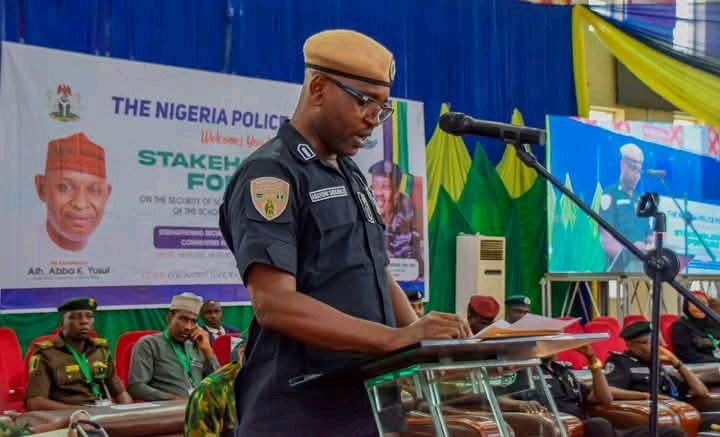
In this write-up, Dr. Babajide Gboyega Alalade discusses the Safe Schools Initiative in Nigeria, led by the Nigeria Police Force under the coordination of Commissioner of Police Dr. Abayomi Shogunle, who is in charge of the program. The initiative aims to protect students from security threats through innovative solutions. He asserts that integrating science, engineering, and technology (SET) is crucial to enhancing school safety by implementing measures such as AI-powered surveillance, biometric access control, emergency communication systems, data analytics, and robotics. Dr. Alalade emphasizes the importance of collaborative efforts between law enforcement and technology firms, as well as continuous training and standardized practices, to ensure the long-term success of the initiative.
Securing the Future: Leveraging Science, Engineering, and Technology for Safe Schools in Nigeria
By Dr. Babajide Gboyega Alalade (AISLT)
The safety of students in Nigeria’s schools has become an urgent national priority in response to the increasing security threats faced by educational institutions. The rise in kidnappings, attacks on schools, and other security breaches has brought to the forefront the need for comprehensive, proactive measures to protect students and staff. In response to these challenges, the Nigeria Police Force (NPF), under the leadership of Inspector General of Police (IGP) Kayode Egbetoku, PhD, NPM, and coordinated by Commissioner of Police Dr. Abayomi Shogunle, has launched the Safe Schools Initiative. This initiative is designed to safeguard students in primary, secondary, and tertiary institutions across the country, ensuring a secure environment conducive to learning.
While the initiative has garnered widespread support for its emphasis on physical security and law enforcement presence in schools, one critical factor stands out as essential for the initiative’s long-term success—Science, Engineering, and Technology (SET). The integration of SET into the Safe Schools Initiative will not only enhance the capacity of security personnel but also provide innovative solutions to address security threats in real-time, foster a culture of awareness, and ensure a safer learning environment.
The Role of Science, Engineering, and Technology in School Security
The role of science, engineering, and technology in securing schools cannot be overemphasized. Advances in SET can help address a range of challenges, from physical security and emergency response to data analysis and communication. Here are some of the critical areas where SET can contribute to the success of the Safe Schools Initiative.
1. Surveillance and Monitoring Systems
One of the most powerful tools for ensuring school security is the use of advanced surveillance technologies. The installation of Closed-Circuit Television (CCTV) cameras and smart monitoring systems provides real-time footage of school premises, helping to detect and respond to suspicious activities quickly. With innovations in artificial intelligence (AI) and machine learning, these systems can be enhanced to automatically identify potential threats, such as intruders or unauthorized access to restricted areas, and send immediate alerts to security personnel.
Actionable SET Solutions:
CCTV Surveillance with AI Integration: Deploy AI-powered CCTV cameras equipped with facial recognition software to identify potential intruders or missing persons. These systems can also track the movement of individuals across campuses, ensuring that any unusual activity is flagged for immediate attention.
Automated Threat Detection: Integrating sensors that detect abnormal behavior, such as an individual carrying a weapon or loitering in restricted areas, can enhance security measures, providing a proactive approach to security breaches.
2. Biometric Access Control Systems
To prevent unauthorized entry into school premises, biometric access control systems—such as fingerprint or retina scanning—offer an effective means of ensuring only authorized personnel, staff, and students gain access to school buildings. This technology eliminates the risks associated with traditional locks and keys, which can be easily copied or bypassed.
Actionable SET Solutions:
Fingerprint and Retina Scanning: Implement biometric systems at school entrances to ensure that only registered individuals can access school buildings. This system can be linked to a central database for real-time monitoring of school traffic.
Smart Card Access: Integrating radio-frequency identification (RFID) cards with access control systems ensures a seamless and secure entry process for students and staff, while reducing human error and unauthorized access.
3. Emergency Response Communication Systems
In the event of an emergency, it is essential for schools to have a reliable communication network to alert law enforcement, school staff, and students about potential threats. Modern communication systems, powered by wireless technology and emergency notification apps, can ensure a swift and coordinated response.
Actionable SET Solutions:
Mobile Safety Applications: Develop and deploy mobile applications that allow students and staff to send instant alerts to security personnel and law enforcement. These apps can also provide real-time updates on evacuation procedures and safety protocols.
Two-way Communication Systems: Install communication systems that allow school security officers to communicate directly with local law enforcement and emergency response teams, ensuring a quick response to potential threats.
4. Data Analytics and Threat Intelligence
Data analytics and big data can play a significant role in preemptively identifying security threats. By leveraging existing data from social media, crime reports, and other sources, authorities can use predictive analytics to assess the risk levels of specific schools or regions. This allows for targeted interventions and resource allocation where they are needed most.
Actionable SET Solutions:
Predictive Analytics for Threat Assessment: Use data analytics platforms to process large datasets from various sources (e.g., social media, incident reports, crime statistics) to identify patterns and predict potential threats. This allows for a more proactive approach to security.
Geo-Spatial Analysis: Geographic Information Systems (GIS) can be used to map out school locations in high-risk areas, helping security agencies better understand geographical threats and optimize security patrol routes.
5. Cybersecurity for Digital Infrastructure
As the world becomes increasingly digitized, schools are adopting more online learning tools, e-learning platforms, and digital communication systems. While these technologies offer great benefits, they also expose students and educational institutions to the risks of cyberattacks, which can undermine the safety of their digital infrastructure.
Actionable SET Solutions:
Cybersecurity Protocols: Strengthen the cybersecurity measures of e-learning platforms and digital communication tools to prevent data breaches, cyberbullying, and other online security threats that could disrupt the learning environment.
Training for Students and Teachers: Provide training for students and teachers on how to protect their personal data and maintain online safety, creating a culture of cybersecurity awareness.
6. Drones and Robotics for Campus Patrolling
Drones and robotic systems offer new and innovative ways to monitor school grounds, especially large campuses where human patrols may be less effective. Drones equipped with cameras can fly over the school grounds to monitor large areas in real-time, and robots can be used for on-the-ground patrols, assisting security personnel in routine tasks.
Actionable SET Solutions:
Surveillance Drones: Deploy drones to monitor school grounds, particularly during times when students are arriving or departing. These drones can be equipped with thermal cameras to detect unusual movements and provide live feeds to security teams.
Robotic Patrols: Introduce autonomous robots to patrol school corridors, helping to deter security breaches and ensuring that students feel safe.
Strengthening the Role of Commissioner Dr. Abayomi Shogunle in Driving SET Integration
The Safe Schools Initiative’s success is intricately tied to the leadership of Commissioner of Police Dr. Abayomi Shogunle, who has the unique responsibility of ensuring that the initiative is both comprehensive and sustainable. His leadership is pivotal in driving the adoption of SET tools in the initiative.
Key Actions for CP (Dr) Shogunle:
1. Promote Collaboration Between Technology Firms and Law Enforcement: Foster partnerships with local and international tech firms to supply cutting-edge security technologies to schools, particularly in high-risk areas.
2. Ensure Continuous Training in Technology Utilization: As new technologies are introduced, ensure that security personnel, school administrators, and teachers are trained to effectively utilize them.
3. Advocate for National Standards: Work towards establishing national guidelines for the integration of technology in school security, ensuring uniformity and quality across the country.
Conclusion
The Safe Schools Initiative spearheaded by the Nigeria Police Force, under the guidance of Commissioner Dr. Abayomi Shogunle, marks a transformative shift in how Nigeria approaches school safety. By integrating science, engineering, and technology into the initiative, Nigeria can build a robust, modern, and proactive school security infrastructure. Technologies such as surveillance systems, biometric access control, emergency communication networks, data analytics, and cybersecurity measures will help create a safer and more secure learning environment for students across the country.
The successful implementation of these technologies, guided by the visionary leadership of Commissioner Shogunle, will not only secure the future of Nigerian students but also serve as a model for other countries facing similar security challenges in educational institutions. It is time for Nigeria to leverage the power of science, engineering, and technology to protect its future—its students.