

From Rejection to Revolution: Dr. Ben Festus Appointed Acting Director of Research at Federal Polytechnic Ede, Champions Africa’s Tech Future
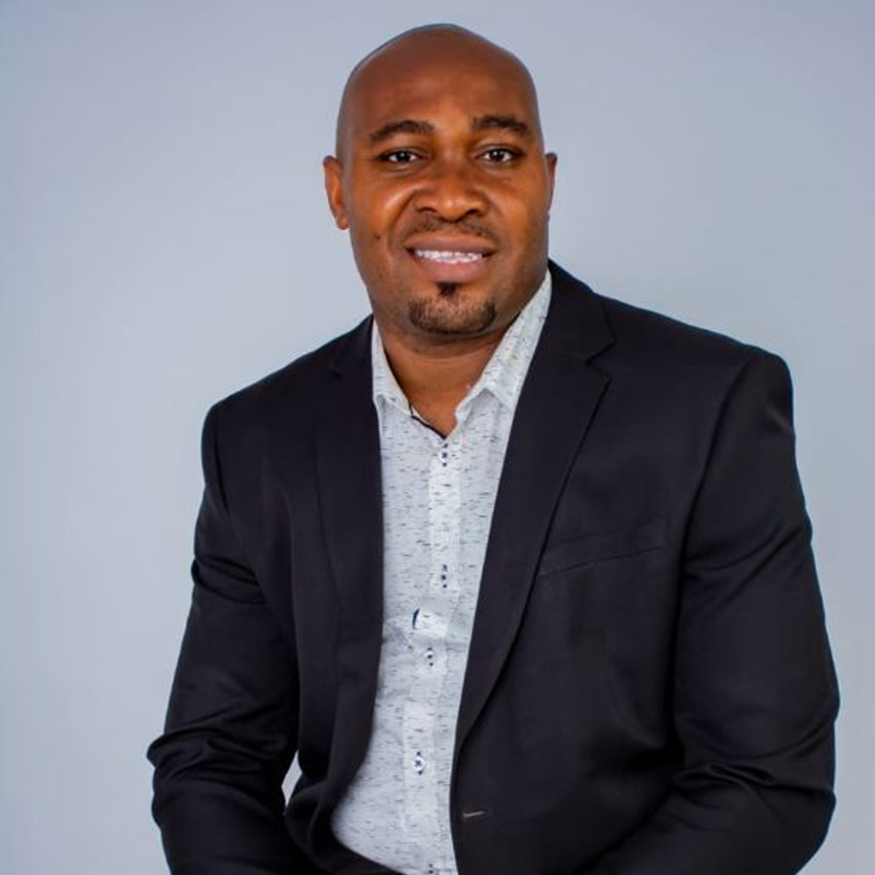
The Federal Polytechnic Ede has announced the appointment of Dr. Ben Festus (FISLT), popularly known as Big Ben, as its new Acting Director of Research—a strategic move that reflects the institution’s growing commitment to high-impact research and innovation across Africa.
Dr. Ben’s story is one of bold transformation. After missing out on a medical degree, he charted a new course in science and technology—graduating with a record-setting CGPA from Federal Polytechnic Ede. Today, he is a globally recognized innovator, having secured seven international research grants, including the prestigious British Council Award.
His patented Smart Vaccine Cooling Center and rapid PhD completion have drawn acclaim in both academic and innovation circles. Currently a TETFair Fellow and Postdoctoral Researcher at the University of Johannesburg, Dr. Ben is pioneering breakthroughs in AI-powered agro-waste engineering and IoT solutions—technologies that are delivering real-world impact in underserved communities.
With 23 peer-reviewed publications before age 40, Dr. Ben is a vocal advocate for transforming Africa’s challenges into innovation opportunities. “I see agro-waste as Africa’s untapped goldmine,” he says, underscoring his vision for sustainable, tech-driven growth.
In an exclusive feature by Science and Tech Connect, Dr. Ben shares how early academic rejection fueled his rise to global recognition, his drive to commercialize research, and his blueprint for a future-ready Africa.
Science & tech blog interview with Dr. Ben Festus
Interviewer: Editorial team, science and tech connect blog
1. Early life & influences
- You were nicknamed “bigben” by friends and colleagues—does this reflect your personality or work ethic?
Thank you for this question. I actually got the nickname “BigBen” during my NYSC, when I participated in the Mr. Macho contest during the two-week orientation camp. Interestingly, the name stuck and has since become more prominent than any other nickname I’ve had. Over time, “BigBen” has come to reflect not just a name, but my personality, work ethic, and even my spiritual life. It embodies the strength, consistency, and presence I strive to bring into every area of my life and career.
- Growing up in Lagos and later Agbor, what early experiences fueled your passion for science and technology?
I was born and raised in Lagos, although I occasionally visited Agbor during holidays. From a young age, I was deeply fascinated by electronics and often spent time dismantling gadgets purely out of curiosity, even if I couldn’t always put them back together. This hands-on interest led me to apprentice briefly at a local radio repair shop after secondary school. Despite this passion for electronics, my initial ambition was to become a medical doctor, and I even began studying medical textbooks while trying to gain admission into medical school.
However, my career path changed after a significant encounter with Dr. John Taiwo Adekolawole, who would later become the Rector of the Federal Polytechnic Ede. He advised me to consider studying Physics with Electronics instead of pursuing medicine. His mentorship became a turning point that shifted my focus and laid the foundation for the professional journey I follow today.
- You initially aimed to study medicine but later pursued Science Laboratory Technology (SLT). How did this shift shape your career trajectory?
- As a teenager, I was naturally drawn to challenging careers, and Medicine seemed like the ultimate goal due to its prestige and academic rigor. Despite passing both JAMB and WAEC in one sitting, I was unable to gain admission into OAU’s College of Medicine, largely due to issues like zoning policies and the influence of connections. I rejected alternative course offers like Microbiology and later learned about Science Laboratory Technology (SLT), which was seen as a possible pathway to Medicine. Motivated by that idea, I applied and was admitted into SLT with strong credentials. I excelled academically, setting records and drawing attention from my lecturers, who questioned why I was at a Polytechnic.
- A turning point came during a conversation with my Physics lecturer, Dr. John Taiwo Adekolawole, who suggested that while Medicine might be lucrative, Physics could offer a more intellectually stimulating and future-proof career. This challenged my assumptions and made me reflect on my childhood passion for electronics, where I would curiously dismantle gadgets. It dawned on me that my drive toward Medicine had been influenced more by societal expectations than genuine interest. Later, when I finally had the chance to pursue Medicine through a church contact, Dr. Greg Erabor, I declined. By then, I had discovered a fulfilling path in SLT and Physics with Electronics—a decision sparked by a single, powerful conversation that forever redirected my career.
2. Education & academic excellence
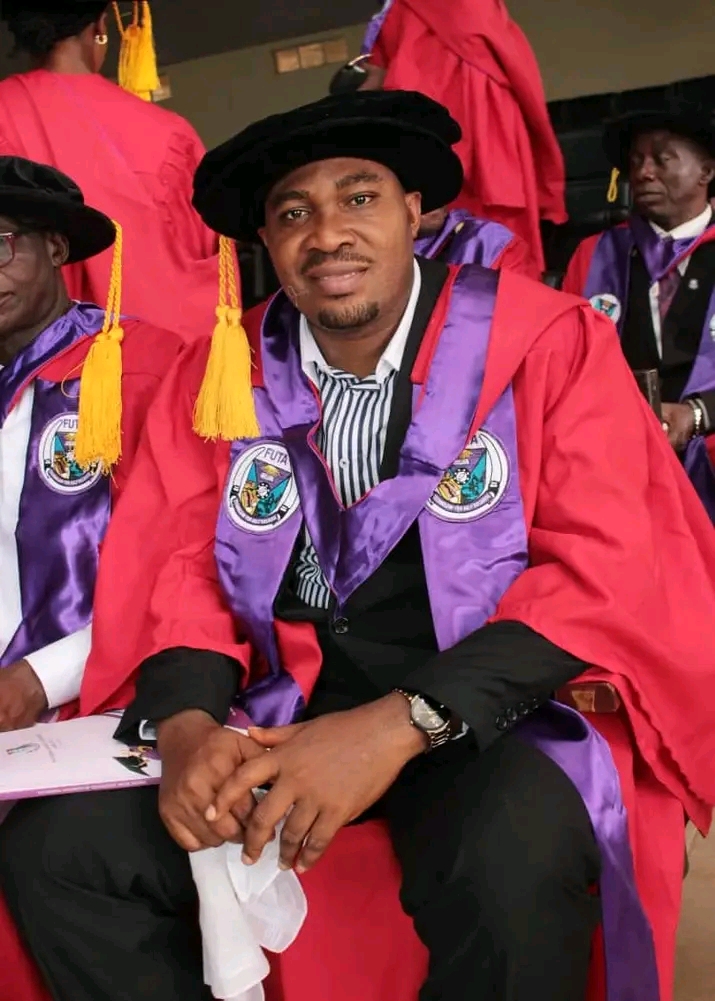
- You graduated as the best-ever student at Federal Polytechnic Ede with an unbroken CGPA record. What habits or strategies drove your academic success?
- When I was admitted to study Science Laboratory Technology at Federal Polytechnic Ede, my primary goal was to eventually transition into medical school. Determined to excel, I set out to break academic records by adopting a strategic approach to learning. I reviewed past campus CGPAs, aiming to surpass them, and built a solid foundation by revisiting my secondary school textbooks and aligning them with the Polytechnic’s curriculum. I made exam preparation a science—using past questions, analyzing mistakes, and learning from top-performing classmates. These disciplined study habits and techniques later formed the foundation of my bestselling book, Secrets of Successful Students.
- During your national diploma, you developed a nuclear radiation detector under the world bank innovators of tomorrow (IOT) program. What inspired this project?
- My first-ever research grant came during my Higher National Diploma (HND) program and was aimed at students working under project supervisors. Inspired by global interest in nuclear radiation and my readings as a student member of the Institute of Physics (IOP), London, I became particularly drawn to the subject after learning about a Nigerian professor who gained U.S. citizenship due to his expertise in nuclear radiation. Recognizing the rising global demand for specialists in this field and the lack of technological capacity in Nigeria to detect or manage radioactive hazards, I set out to design a simple, low-cost nuclear radiation detector using basic scientific principles—an innovation tailored for resource-limited environments.
.
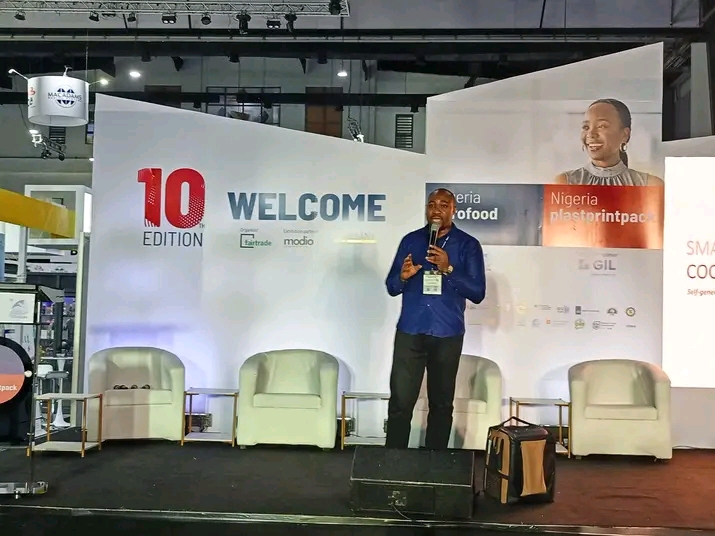
- You earned distinctions at every academic level (ND, HND, PGD, M.tech, PHD). How did you maintain such consistent excellence?
- My academic journey, from student to lecturer and researcher, has been defined by consistent excellence and notable achievements across both Polytechnic and University systems, driven by clear goals, passion, and a commitment to success. The principles and habits that fueled this consistency are shared in my book Secrets of Successful Students, which has positively impacted students, parents, and educators alike. Excellence, I believe, stems from mentorship, a strong work ethic, a thirst for knowledge, and attention to detail—qualities that continue to shape my career. As a postdoctoral research fellow at the University of Johannesburg, I published ten articles in one year, demonstrating that excellence is attainable and scalable at any level when grounded in the right principles.
3. Professional career & leadership
- You were hired by Federal Polytechnic Ede as the best candidate in their aptitude test. What set you apart from other applicants?
- This story marks a pivotal moment in my life, filled with uncertainty, faith, and determination. Fresh out of NYSC, I stood at a crossroads between going abroad or launching a startup in Lagos. Despite initially staying in Lagos to pursue my entrepreneurial dreams, I felt a divine prompting to return to Ede. That call became clearer when I was invited to develop an animated mascot and website for the 2011 NIPOGA Games hosted by Federal Polytechnic Ede, thanks to my previous work as a student. My successful delivery caught the attention of the Rector, Dr. Joseph Sunday Oke, who personally encouraged me to apply for a position at the institution—an opportunity I approached with full commitment and preparation.
- Back in Lagos, I diligently studied for the aptitude test, consulting with experienced individuals and practicing logical reasoning and basic math. A last-minute review of topics like ratios and logarithms, sparked by a casual conversation, turned out to be crucial—five of the test questions came directly from that material, and I aced them. Competing against several candidates, including PhD holders, I stood out because of my attention to detail, willingness to go beyond the norm, and deep commitment to preparation. This experience reinforced my belief that excellence is rooted not just in talent, but in dedication, humility, and hard work.
- As Director of Research & Development in Acting capacity , what key initiatives are you spearheading at the institution?
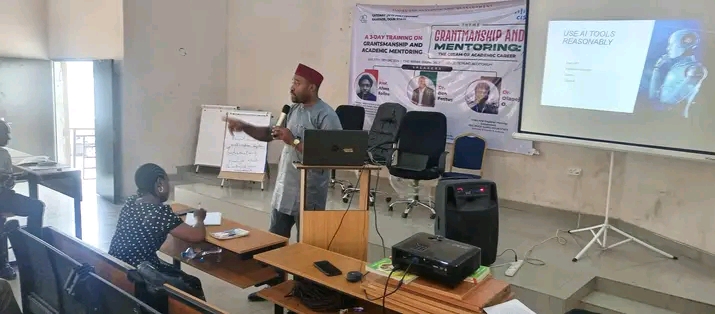
- As the Acting Director of Research and Development at Federal Polytechnic Ede, my primary mission is to transform the institution’s research culture and visibility. Drawing from my experience as a Postdoctoral Research Fellow at the University of Johannesburg and success with national and international grants, I am working to elevate the institution’s academic standing. I have introduced regular training workshops—often virtual—to help staff master modern research tools like AI and publish in reputable, high-impact journals. I’m also combating the myth that top-tier publications are inaccessible and have launched the REACT Journal, a multidisciplinary outlet targeted for indexing by Scopus and Web of Science. Additionally, I addressed the institution’s low online presence by developing a new, fully functional website for the Directorate within two days of assuming office.
- Through knowledge-sharing from the TETFAIR-funded CoolTech project, I supported colleagues in successfully securing spots in the next TETFAIR cohort. I also revived the long-neglected Institution-Based Research and Fabrication Research grants from TETFund, which had been hindered by bureaucracy and low staff awareness. In line with my vision for inclusive growth, I’ve extended research opportunities to students, aiming to change prevailing negative attitudes toward education by linking academic pursuits with real-world relevance and industry collaboration. With the backing of the Rector, these efforts are gradually repositioning research at the institution as a core pillar of innovation and development.
- To ensure sustainability and impact, I am working on new institutional policies covering patenting, ethical research conduct, and publication integrity. These policies will be presented to the Academic Board and Management to formalize best practices. Despite the demands of administrative duties, I continue to engage in personal research, believing that effective leadership requires leading by example. My goal is not only to foster research activity but to make it meaningful, profitable, and transformative for both staff and students, leaving a legacy of excellence and innovation.
- You’ve led accreditation teams to multiple Polytechnics. What reforms do you believe Nigeria’s technical education system needs most?
- I am deeply grateful to the Nigerian Institute of Science Laboratory Technology (NISLT) for the opportunity to lead accreditation teams across Nigeria’s polytechnics, an experience that has exposed the urgent need for systemic reform. A key challenge is the mindset that undervalues polytechnic education compared to universities—an attitude sometimes perpetuated by those within the system. As a proud product of the polytechnic system, I strongly reject this narrative and believe excellence is determined by knowledge and impact, not institutional labels. One critical reform is to prioritize the employment of polytechnic graduates as lecturers, as they are better aligned with the system’s hands-on, practical mission. Unfortunately, many university-trained lecturers lack passion and project inferiority complexes onto students. Recruitment processes must also be cleaned up, ensuring transparency and merit-based appointments to restore integrity and purpose within the polytechnic space.
- Infrastructurally, polytechnics are grossly under-equipped, with most lacking central laboratories and meaningful research output. TETFund’s focus on construction has not translated into the availability of essential research equipment, making it difficult for lecturers to attract grants or conduct impactful studies. To address this, I propose the creation of zonal Centres of Excellence in partnership with NISLT, equipped with advanced instrumentation like SEM, TEM, ICP-MS, and nanotechnology tools. This would enable local researchers to work effectively without relying on foreign labs and reduce brain drain. Additionally, empowering polytechnics to offer postgraduate programs up to PhD level and renaming Chief Lecturers as Professors would align with global academic standards. The establishment of a National Polytechnic Commission could provide short-term regulatory strength, but lasting reform will require a total overhaul of mindset, recruitment, infrastructure, staff development, and policy. Without this, the polytechnic system will remain underutilized and unable to fulfill its vital role in national development.
4. Research & breakthroughs
What can you say about your life and Science Laboratory Technology as professional course
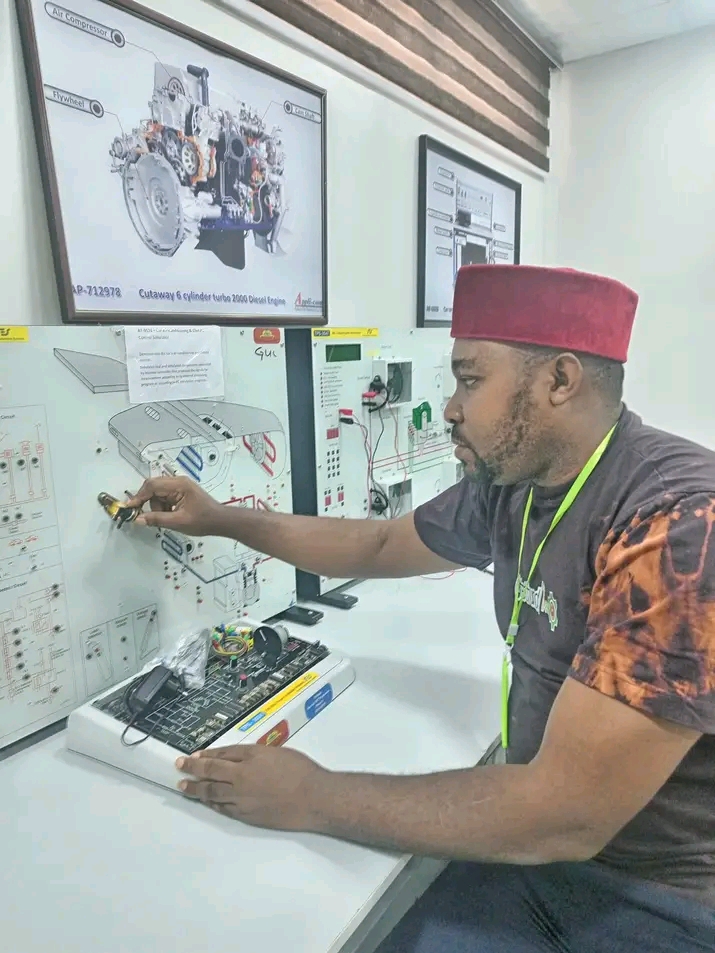
I am proud to identify as a scientist, and studying Science Laboratory Technology (SLT) has played a pivotal role in shaping not just my career but my entire outlook on life. SLT is more than a course, it is a training ground for scientific thinking, precision, innovation, and resilience. It instilled in me a deep attention to detail, a sharp analytical mindset, and the discipline to approach problems methodically and creatively. One of the greatest strengths I’ve developed through SLT is resourcefulness. In a world where solutions are often expected despite limited resources, SLT taught me how to maximize what’s available to deliver tangible results. It is a program that demands both theoretical understanding and hands-on application, and that unique blend helped me bridge the gap between abstract science and real-world challenges. SLT also opened the door for me to explore diverse scientific fields, from chemistry to microbiology, instrumentation to electronics. This multi-disciplinary exposure laid a strong foundation for my transition into fields like physics, electronics, and research and development. Today, as a postdoctoral researcher, innovator, and academic leader, I draw heavily on the training and mindset instilled in me through SLT. More importantly, SLT taught me how to see problems as opportunities. I don’t just walk past societal or technological issues; I instinctively think of how science can solve them. Whether it’s developing a nuclear radiation detector during my HND, publishing cutting-edge research, or leading national innovation projects, my scientific curiosity, rooted in SLT, has been my compass. Beyond technical competence, SLT also helped shape my values: integrity in data handling, respect for scientific ethics, and a lifelong pursuit of knowledge. It also gave me a strong sense of identity and confidence. Despite societal misconceptions that sometimes relegate polytechnic-based courses, I have never seen myself as inferior. SLT gave me the boldness to compete and win on both national and international stages. SLT has not only prepared me for a successful scientific career but has also positioned me to contribute meaningfully to society.
Has SLT impacted your life positively? What advice do you have for professional colleague in the field of SLT and the managers of SLT in Nigeria
SLT has not just impacted my life positively, it has transformed it. It gave me a strong scientific foundation, nurtured my curiosity, and empowered me with the skills to innovate, teach, and lead. From developing my first research project as a student to publishing cutting-edge articles and managing institutional research, every step of my journey has been influenced by the depth and versatility of my SLT background. The course sharpened my analytical thinking and practical skills, equipping me to contribute across multiple fields, whether in physics, electronics, material science, or IoT-based innovation. The confidence, problem-solving mindset, and academic resilience I gained through SLT have positioned me to compete globally, secure multiple grants, and lead transformative initiatives within and beyond the classroom. To my professional colleagues in the field of SLT, I encourage you to recognize the power and prestige of what we do. The relevance of SLT in today’s world, especially in areas like public health, renewable energy, environmental science, and technological innovation, cannot be overstated. We must carry ourselves with pride, constantly update our skills, collaborate across disciplines, and translate our knowledge into practical, impactful solutions. SLT professionals should aim not just to work in laboratories, but to lead research, start companies, and drive policy, because we have what it takes. To the managers and policymakers overseeing SLT in Nigeria, I appeal for intentional investment in the future of this field. SLT should not be seen as a support course but as a strategic pillar in national development. We need better-equipped laboratories, standardized curricula, active industry partnerships, and capacity-building programs to empower both staff and students. Accreditation processes must go beyond paperwork, they should enforce quality, ensure relevance, and reward innovation. I appeal to all SLT professionals to come together in the spirit of unity and love for the profession and elevate the visibility of SLT professionals nationally and internationally. Titles, career progression, research opportunities, and academic parity must be reviewed so that SLT practitioners are seen, heard, and respected for the value they bring to science, industry, and society at large.
- Your research spans AI, IOT, Agro-waste engineering, and biophysics. How do these fields intersect in your work?
My research focuses on solving real-world problems through an interdisciplinary approach that integrates Artificial Intelligence (AI), the Internet of Things (IoT), agro-waste engineering, and biophysics. AI and IoT serve as the technological core for developing smart systems in areas like energy optimization and environmental monitoring, while agro-waste engineering provides sustainable materials from local resources for use in composites and remediation. Biophysics enhances the scientific understanding of biological interactions with these systems, especially in environmental and biomedical contexts. Together, these fields enable innovative, sustainable solutions aligned with global development goals, particularly suited to the needs of Nigeria and Africa.
You invented the smart vaccine cooling carrier—the first of its kind globally. What problem does it solve, and how did the idea emerge?
The smart vaccine cooling carrier was born out of a deep, personal observation of a persistent challenge in healthcare delivery, vaccine wastage during last-mile distribution, especially in rural and underserved areas. In many developing countries, maintaining the cold chain is a major obstacle. Vaccines often lose potency due to exposure to suboptimal temperatures during transportation, particularly in areas with poor infrastructure, unreliable electricity, and long travel distances. The idea emerged over 15 years ago during my field experience, where I witnessed firsthand how frontline health workers struggled to preserve vaccine integrity while navigating difficult terrains. These experiences stayed with me, and as my skills in electronics, IoT, and energy systems evolved, I began to envision a solution that could bridge this critical gap. The result was the development of the smart vaccine cooling carrier, an IoT-enabled, solar-powered mobile unit that maintains optimal vaccine temperature while providing real-time monitoring, GPS tracking, and alert systems. Health workers can now be notified when internal temperatures deviate from safe ranges, and supervisors can track routes and ensure accountability. This system doesn’t just preserve vaccines—it protects lives by improving immunization outcomes and reducing preventable diseases caused by ineffective vaccines. It is the first of its kind globally to combine cold-chain preservation with intelligent tracking and monitoring in a single, portable unit, particularly tailored for last-mile delivery in low-resource settings. The innovation has since gained national and international recognition and is a model for how engineering, public health, and technology can come together to address critical challenges in global health systems.
- You’ve won multiple international grants (British council, eps Euro physics, NCC, etc.). What makes your research proposals stand out?
Winning competitive international grants requires more than just a strong idea, it demands clarity, originality, strategic relevance, and a clear path to impact. One of the key strengths of my proposals is their focus on solution-driven research, projects that address clearly defined, real-world problems with innovative and context-specific approaches, particularly in areas like public health, energy, education, and environmental sustainability. A core element that strengthens my proposals is collaboration. While collaboration can be challenging, especially when it involves cross-border or interdisciplinary teams, it offers invaluable opportunities to work with experts from diverse backgrounds. Through these partnerships, I not only contribute my expertise but also learn from others, expanding the depth and scope of the research. These synergies often lead to more comprehensive and impactful solutions. My proposals also stand out because they align closely with the priorities of the funding agencies and broader global development frameworks, such as the Sustainable Development Goals (SDGs). I emphasize interdisciplinary integration, demonstrating how fields like AI, IoT, agro-waste engineering, and biophysics converge to solve complex challenges. Additionally, I always highlight the potential impact and sustainability of the project: who benefits, how outcomes will be scaled or maintained, and what long-term change it could drive. I draw on a credible track record, past projects, publications, and institutional capacity to assure funders of my ability to execute successfully. Above all, my proposals stand out because they are innovative, collaborative, results-oriented, and grounded in a practical roadmap for real-world implementation.
- As a postdoctoral fellow at the university of Johannesburg, how has collaborating with global researchers impacted your work?
Thank you for this question. The turning point in my research career came during my postdoctoral fellowship at the University of Johannesburg (UJ). That experience unlocked my hidden potential and reshaped my entire academic trajectory. The environment was not only more supportive and well-resourced compared to what I was used to in Nigeria, but also immersed me in a culture where research is driven by passion, not pressure. At UJ, I found myself surrounded by academics, both young and senior, who lived and breathed research. The availability of state-of-the-art equipment, collaborative networks, and a shared commitment to excellence created a space where I could thrive. For the first time, I had hands-on access to advanced analytical tools and a supportive mentorship structure that made world-class research not just possible, but achievable. Before this fellowship, I viewed publications in journals like Elsevier, Springer Nature, and other top-tier Scopus-indexed outlets as nearly impossible. My understanding of what made research publishable in such platforms was limited, and my academic visibility was low, my Google Scholar citation stood at a stagnant 14 papers over more than five years, with no real hope in sight. Thanks to the mentorship of my host, Prof. Olubambi Peter Apata, and the support of incredible young minds like Dr. Kafilah Gold, Dr. Ranti Oke, Dr. Smith Salifu, Dr. Falodun Oluwasegun, Dr. Ayodele Olusoji, and others, I quickly closed the gaps in my research and publishing skills. Within just one year as a Postdoctoral Research Fellow (PDRF), I published 10 articles in Q1, Q2, and Q3 journals, and my Scopus citations jumped from zero to over 40 in under three months. My Google Scholar profile saw a significant rise, and in 2025, I was invited by Times Higher Education to contribute to the global university rankings process. That exposure also led to numerous invitations to publish in special issues, and I now receive collaboration requests from researchers across the globe. The experience didn’t just sharpen my research, it transformed my confidence, my network, and my academic influence. In essence, my postdoctoral journey at UJ didn’t just advance my research, it redefined what was possible, showing me that with the right environment, mentorship, and collaboration, African scholars can not only participate in global research conversations but also lead them.
5. Awards, recognition & mentorship
- You’ve received accolades from NYSC, TETFUND, and the Institute of Physics (London). Which award holds the most personal significance?
My research focuses on solving real-world problems through an interdisciplinary approach that integrates Artificial Intelligence (AI), the Internet of Things (IoT), agro-waste engineering, and biophysics. AI and IoT serve as the technological core for developing smart systems in areas like energy optimization and environmental monitoring, while agro-waste engineering provides sustainable materials from local resources for use in composites and remediation. Biophysics enhances the scientific understanding of biological interactions with these systems, especially in environmental and biomedical contexts. Together, these fields enable innovative, sustainable solutions aligned with global development goals, particularly suited to the needs of Nigeria and Africa.
- You authored “secrets of successful students” and “the master key.” what key lessons do you hope young scientists take from your books?
- Both books draw from personal experience to inspire excellence, blending academic strategy and spiritual insight. Secrets of Successful Students offers practical tips for rising from mediocrity to excellence, emphasizing focus, consistency, and mentorship. The Master Key highlights faith as a vital force in unlocking potential. Together, they guide young scientists to pursue success through discipline, strategic action, and spiritual grounding.You mentor youths and coach emerging researchers.
- What’s your advice for overcoming failure in stem?
My top advice is to view failure as feedback, not defeat. In STEM, failure is part of growth, shaping innovation through persistence and learning. It’s not a sign of weakness but of boundary-pushing. Resilience, curiosity, mentorship, and adaptability turn setbacks into progress. From personal experience, I know that purpose and perseverance can transform rejection into refinement—STEM needs minds willing to try again, stronger and wiser.
6. Future vision
- You’re a TETFair fellow and advocate for research commercialization. How can Nigeria bridge the gap between academia and industry?
- As a TETFair fellow, I’ve come to appreciate the urgent need for Nigeria to shift from research for publication to research for impact. A key challenge is the gap between academic research and the real needs of industry and society. Bridging this requires changes in mindset, policy, and institutional focus.
- First, we must embed commercialization thinking into research from the beginning. Researchers should ask: Who benefits? What problem is solved? Can it be scaled? TETFair helped me view innovations as potential life-changing products and services.
- Secondly, Nigeria must strengthen university-industry partnerships. Platforms for co-creation between researchers and industry are needed, with early involvement from both sides. This demands open collaboration and incentives.
- Research policies should also be reformed to support patenting, tech transfer, startups, and IP protection. Many innovative ideas remain unused due to a lack of clear pathways to commercialization.
- Investment in translational infrastructure—like fabrication labs and innovation hubs, especially in universities and polytechnics—is essential. TETFund’s support through TETFair is commendable, but it must be scaled and sustained.
- Finally, researchers need to rethink academic success—not by citations alone, but by the social and economic impact of their work. Solving real problems will attract industry attention.
- Nigeria has the talent; now it needs an ecosystem that rewards innovation and connects research to markets. If we achieve this, we’ll build not just knowledge, but solutions, companies, and future industries.
- Where do you see AI and Agro-waste engineering transforming Africa’s economy in the next decade?
- In the coming decade, agro-waste engineering will be central to Africa’s sustainable industrialization. I envision small- and medium-scale enterprises transforming agricultural waste into raw materials for local production—automotive parts, construction materials, and consumer devices. This will reduce import dependence, minimize environmental impact, and promote circular economy practices. Learning from countries like Russia, Africa can prioritize building technologies rooted in indigenous capabilities and resilience. With the right policies and localized processing systems, we can unlock value chains, create jobs, and uplift rural communities.
- Meanwhile, Artificial Intelligence (AI) is already driving the Fourth Industrial Revolution, reshaping sectors like journalism, law, education, and healthcare. It represents a fundamental shift in problem-solving—faster, more efficient, and more precise. Africa must move from being a consumer to a creator of AI technologies by investing in education, research, and innovation tailored to local needs.
- Together, AI and agro-waste engineering present a unique development model—fusing digital and material innovation to build resilient economies, reduce waste, and combat climate change.
- What’s next for dr. Ben Festus? Any upcoming patents or large-scale projects?
’m at a pivotal stage in my career, focused on maximizing impact through international collaborations, multiple patents, and large-scale projects aimed at advancing innovation in Africa. A major goal is to establish state-of-the-art research centers in Nigeria, while mentoring a new generation of purpose-driven innovators. With strong partnerships, visionary teams, and a deep commitment to excellence, I’m determined to help position Nigeria as a leader in global scientific advancement.

