

Why Scientists and Medical Practitioners Must Become Digital Scientists in 2026
By Alalade Babajide Gboyega, Africa’s leading digital scientist and tech venture creation expert.
As 2025 draws to a close, professionals across science, engineering, medicine, and health stand at a critical crossroads. The pace of technological change has outgrown traditional professional models. While degrees such as BSc, MSc, PhD, MD, and fellowships remain foundational, they are no longer sufficient on their own.
To remain relevant, impactful, and financially sustainable, today’s professionals must evolve into Digital Scientists—experts who combine domain knowledge with digital platforms, data tools, AI systems, and global communication channels.
This is no longer optional. It is a professional survival skill.
What Is a Digital Scientist?
A digital scientist is a professional who:
Uses digital platforms to share knowledge globally
Applies AI and data tools to improve productivity and research
Builds a personal digital brand
Monetizes expertise ethically through digital products and services
Leverages cloud collaboration and automation
Core Digital Platforms Every Scientist Must Leverage in 2026
1. YouTube: Your Global Lecture Hall
YouTube has become the world’s largest free university.
Scientists and clinicians can:
Explain complex concepts in simple language
Demonstrate experiments or procedures (ethically and safely)
Discuss research trends and medical breakthroughs
Build authority beyond academic journals
Income opportunities: Ads, sponsorships, memberships, consulting leads.
2. Monetizing Social Media (Facebook, TikTok, Instagram)
These platforms are no longer for entertainment alone.
Strategic use cases:
TikTok: Short science explainers, health tips, myth busting
Instagram: Infographics, clinical pearls, research summaries
Facebook: Live Q&A sessions, professional groups, webinars
Monetization: Ads, brand partnerships, affiliate products, paid communities.
3. Personal Website & Blog: Your Digital Headquarters
Your website is your professional identity online.
It should include:
Biography and credentials
Publications and projects
Services (consulting, speaking, training)
Blog posts that demonstrate thought leadership
Benefits:
Search engine visibility (SEO)
Credibility beyond social media
Long-term professional legacy
The Critical Role of Google and Its Ecosystem
Google products are foundational tools for digital scientists in 2026.
Google Drive
Secure cloud storage for research data, presentations, manuscripts
Easy collaboration across institutions and countries
Essential for remote and multidisciplinary research teams
Google Docs
Real-time collaborative writing for papers, grants, and reports
Version history prevents data loss
Ideal for academic and clinical documentation
Google Sheets
Lightweight data analysis
Research tracking, patient logs (non-identifiable), project timelines
Integrates with AI tools and APIs
Google Slides
Professional presentations for conferences and teaching
Easy sharing and online delivery
Google Forms
Surveys for research, audits, feedback, and data collection
Direct integration with Google Sheets
Google Scholar
Literature discovery and citation tracking
Monitoring your research impact
Google Calendar & Gmail
Professional scheduling
Managing collaborations, meetings, and deadlines
📌 Why Google Matters:
Google tools create a connected, cloud-based workflow that supports productivity, collaboration, visibility, and scalability.
4. WhatsApp Channels: Direct Knowledge Broadcasting
WhatsApp Channels allow professionals to:
Share research updates
Announce webinars and courses
Distribute exclusive educational content
Build trusted professional communities
This is especially powerful in regions with high mobile usage.
5. X (Formerly Twitter): Academic Micro-Publishing
X remains influential for:
Research discussions
Conference networking
Policy and public health conversations
With subscriptions, you can offer:
Premium threads
Mentorship insights
Advanced tutorials
6. Amazon Kindle Direct Publishing (KDP)
Publishing books is no longer limited to traditional publishers.
You can write:
Textbooks
Research summaries
Clinical guides
Career and professional development books
Benefits: Authority, global reach, royalties, long-term income.
7. Digital Marketing: The Skill Scientists Can No Longer Ignore
Every digital scientist must understand:
Search Engine Optimization (SEO)
Content strategy
Audience analytics
Email marketing
Personal branding
Without visibility, even the best ideas remain invisible.
8. Diversifying Digital Income Streams
Beyond social media:
LinkedIn: Professional visibility, collaborations, consulting
Patreon: Subscription-based premium knowledge
Online courses: Udemy, Teachable, Selar, Thinkific
10 Essential AI Tools for Scientists, Engineers, Medical & Health Professionals (2026)
ChatGPT – Research assistance, explanations, drafting, idea generation
Google Gemini – Multimodal AI integrated with Google Workspace
Elicit – AI-powered literature review and research discovery
Scite.ai – Smart citations and evidence analysis
Consensus – Evidence-based answers from scientific papers
Grammarly – Academic and professional writing refinement
Notion AI – Research organization and knowledge management
Zotero + AI plugins – Reference management and citation automation
Canva AI – Scientific visuals, infographics, presentations
Otter.ai – Transcription of lectures, meetings, interviews
⚠️ Important: AI is a productivity enhancer—not a replacement for expertise or ethics.
Why Digital Transformation Matters
✅ Global Reach
Share knowledge beyond borders.
✅ Professional Visibility
Be discovered by collaborators, institutions, and funders.
✅ Financial Sustainability
Multiple ethical income streams reduce dependence on a single employer.
✅ Career Longevity
Future-proof your expertise in an AI-driven world.
Conclusion: The Future-Ready Scientist
The traditional career model is fading. The future belongs to professionals who:
Communicate effectively
Leverage AI responsibly
Build digital ecosystems around their expertise
Adapt continuously
Becoming a digital scientist is not abandoning academia or medicine—it is amplifying it.
As 2026 begins, the question is no longer if you should adapt, but how fast you will.
❎❎❎❎❎❎❎❎
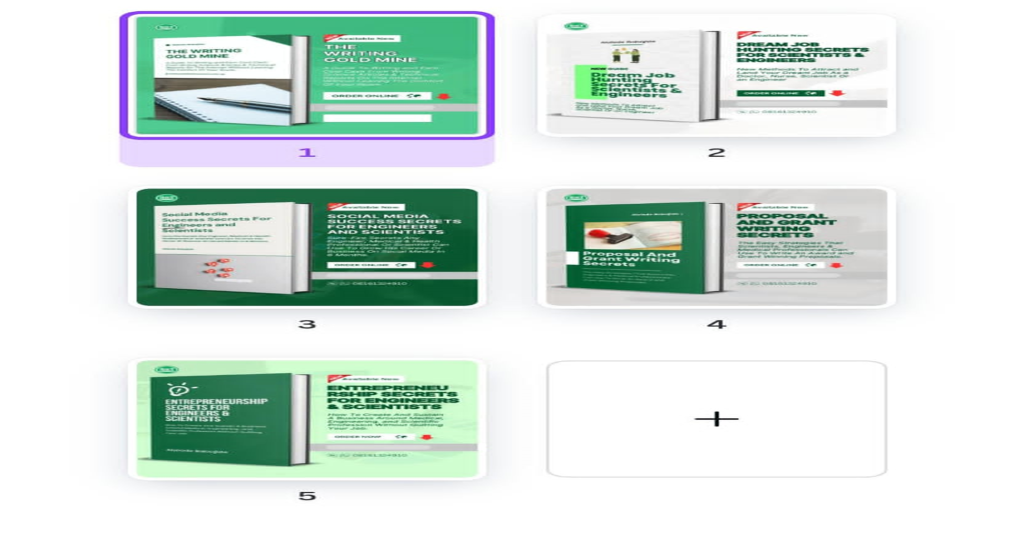
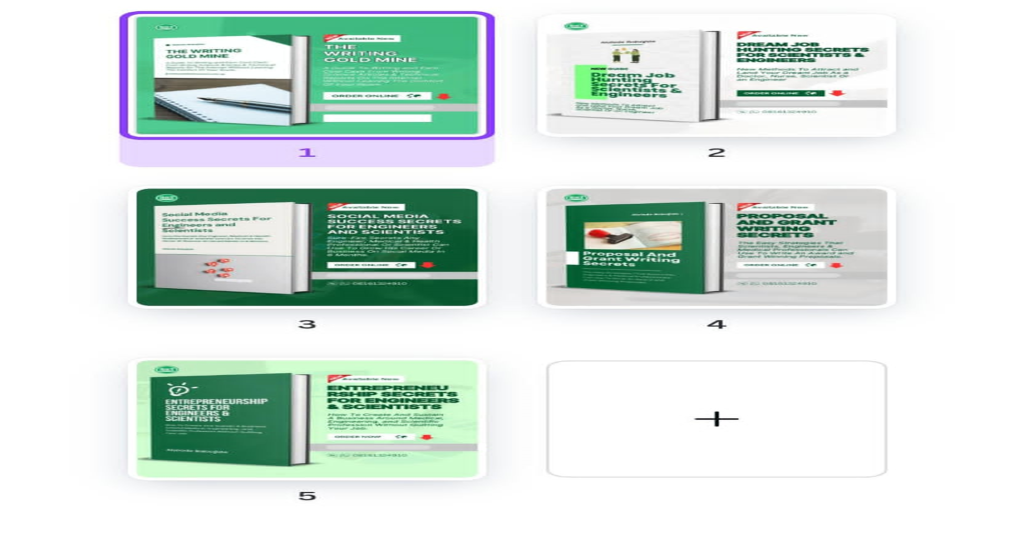
To learn more, get a copy of the eBooks at:
👉 www.selar.com
📞 Call: 08161324910
The future belongs to those who adapt.
Will you be one of them?