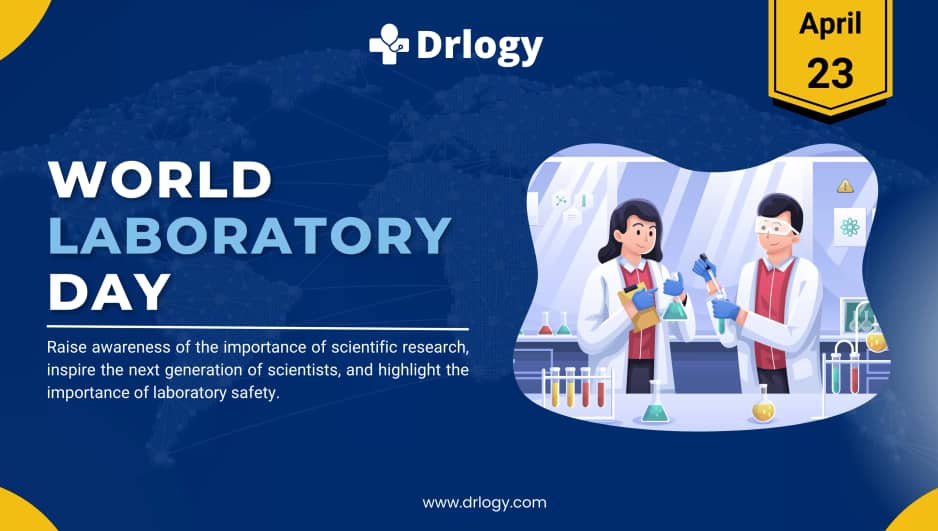
Title: 20 Ways Science Laboratory Technology is Revolutionizing the World for a Sustainable Future
By Dr. Babajide Gboyega Alalade, AISLT
Science Laboratory Technology ProfessionalWorld Laboratory Day – April 23rd
As we mark another World Laboratory Day, it is crucial to spotlight the transformative power of Science Laboratory Technology (SLT) in driving innovation, solving global challenges, and forging a path toward a sustainable future. Often working behind the scenes, science laboratory technologists are the unsung heroes powering research, industry, and education across all sectors of the economy. Here are 20 impactful ways SLT is revolutionizing our world sustainably:
1. Renewable Energy Innovations
SLT supports the development of solar cells, wind turbines, and biofuels through advanced material characterization and testing, accelerating the transition from fossil fuels to green energy.
2. Climate Change Research
Laboratory technologies are central to analyzing atmospheric samples, tracking greenhouse gas emissions, and modeling climate scenarios, guiding global environmental policies.
3. Water Purification & Treatment
Through analytical techniques, SLT enables the detection of contaminants and development of eco-friendly filtration systems that provide clean water to communities.
4. Sustainable Agriculture
SLT aids in soil analysis, pesticide residue testing, and development of organic fertilizers, promoting food security while minimizing environmental harm.
5. Environmental Monitoring
From air quality testing to soil and water pollution detection, laboratory technology ensures that environmental standards are met and ecosystems are protected.
6. Recycling and Waste Management
Science labs innovate biodegradable materials and enhance recycling processes through chemical and material analysis, reducing landfill impact.
7. Green Chemistry Development
SLT supports the design of non-toxic, sustainable chemicals and industrial processes, lowering ecological and human health risks.
8. Nanotechnology for Clean Tech
Laboratories facilitate the development of nanomaterials for cleaner energy storage, environmental remediation, and efficient water purification.
9. Biodiversity Conservation
Molecular labs help identify, catalog, and protect endangered species using DNA barcoding, helping to maintain ecological balance.
10. Alternative Materials Discovery
SLT contributes to developing sustainable alternatives to plastic, such as bioplastics and plant-based polymers, reducing plastic pollution.
11. Sustainable Mining Practices
Laboratory analysis improves ore extraction efficiency and waste reduction, promoting responsible resource utilization.
12. Industrial Process Optimization
Through laboratory-based quality control and process analysis, industries reduce energy use and raw material waste.
13. Carbon Capture Technologies
Science labs are at the forefront of developing systems to capture and store carbon emissions from industrial sources.
14. Energy-Efficient Building Materials
Laboratories test and refine insulating materials and smart glass to create sustainable building solutions.
15. Eco-Friendly Product Development
SLT supports the creation and testing of sustainable consumer products, from detergents to electronics, reducing environmental footprints.
16. Ocean Health Research
Marine laboratories analyze microplastics, pH levels, and pollutants in oceans, contributing to global marine conservation efforts.
17. Scientific Education & Capacity Building
SLT empowers the next generation of scientists with hands-on learning, fostering a culture of innovation and problem-solving for sustainability.
18. Food Safety & Preservation
Laboratory analysis ensures food quality, promotes sustainable packaging, and minimizes spoilage, reducing food waste globally.
19. Sustainable Textile & Fashion Innovation
Laboratory technologies analyze and develop biodegradable textiles and dyes, supporting ethical fashion practices.
20. Disaster Risk Reduction
SLT aids in the analysis of natural disaster patterns and supports the development of early warning systems, helping communities adapt to climate challenges.
Conclusion Science Laboratory Technology is a silent yet powerful driver of sustainable progress. As we celebrate World Laboratory Day, let us recognize the vital role of SLT professionals in the creating a cleaner, greener, and more resilient world. The future is in the lab — and the lab is in the future.