

PREAMBLE
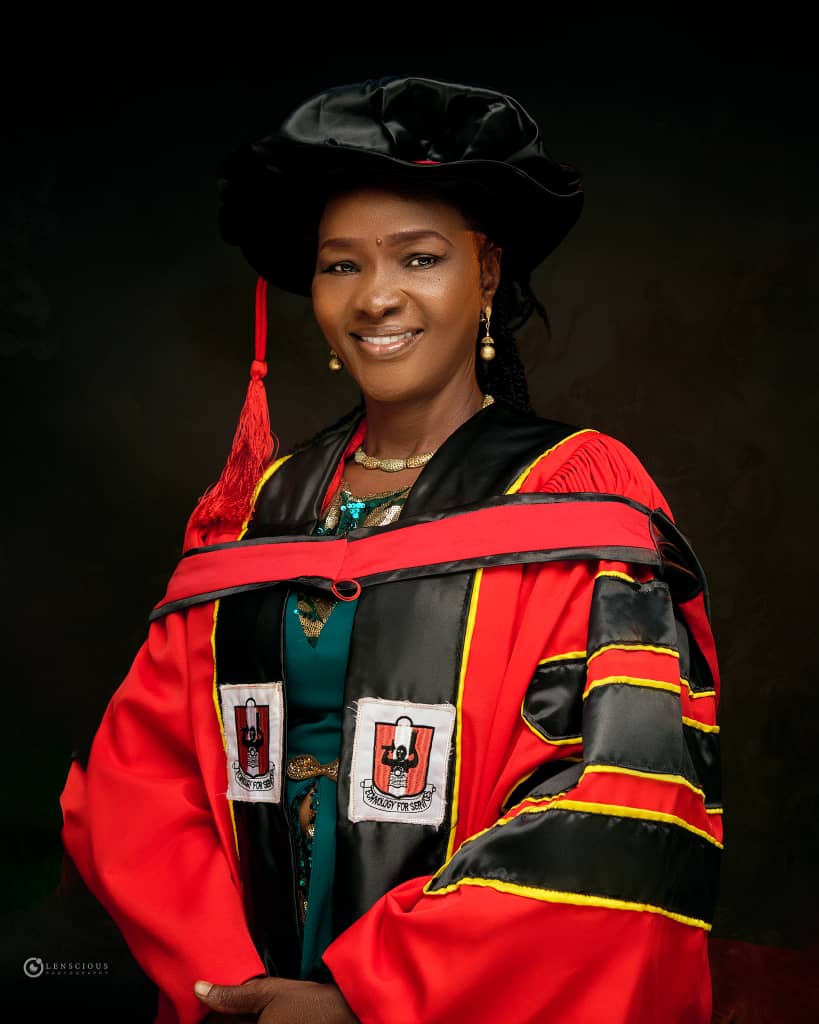
In every thriving society, there are professionals whose greatest achievements are seldom witnessed by the public, yet whose work silently safeguards millions of lives. They are the scientists who confront invisible enemies—disease-causing microorganisms, emerging infections, and public health threats—using knowledge, research, and innovation as their weapons. Among this distinguished class of professionals stands Dr. Mrs. Mbanisi Bridget Obianuju, a respected microbiologist, educator, and Science Laboratory Technology professional whose unwavering commitment to scientific excellence continues to strengthen healthcare, research, and laboratory education in Nigeria.
As a lecturer in the Department of Science Laboratory Technology at the Federal Polytechnic, Oko, Anambra State, Dr. Mbanisi has dedicated her career to nurturing future laboratory professionals while contributing meaningful research that addresses pressing public health challenges. Her scholarly work on the sero-prevalence of Helicobacter pylori antibodies among peptic ulcer patients in Aguata and Orumba Local Government Areas of Anambra State exemplifies research that extends beyond academic journals to influence disease awareness, diagnosis, prevention, and community health.
In an era where emerging diseases, antimicrobial resistance, and public health emergencies demand evidence-based solutions, professionals like Dr. Mbanisi remind us that scientific laboratories remain the foundation upon which modern healthcare is built. Her journey reflects the indispensable role of Science Laboratory Technology in transforming scientific discoveries into practical interventions that improve lives and protect communities.
It is against this backdrop that Science and Tech Connect Blog, Nigeria’s leading grassroots science communication platform, is honoured to feature Dr. Mrs. Mbanisi Bridget Obianuju in this special edition of our exclusive interview series. Through this conversation, readers will gain firsthand insight into her professional journey, groundbreaking research, perspectives on microbiology and laboratory science, the future of Science Laboratory Technology in Nigeria, and her advice to young scientists determined to make lasting contributions to national development.
Join us as we explore the remarkable story of a scientist whose work demonstrates that the fight for a healthier society often begins where few people look—the laboratory.
Scie & Tech Connect Blog: Every distinguished scientist has a story that began long before the acquisition of academic degrees. Could you take our readers back to your childhood, family background, upbringing, and early educational experiences, particularly your years at St. Michael Primary School, Umuahia, and Community Girls Secondary School, Nri? What values or experiences from your formative years influenced the person and professional you eventually became?
Dr Mrs Mbanisi: My Childhood, Family Background, Upbringing and Early Education
I was born in Enugwu-ukwu in 1965, the last child in a family of seven children. My childhood was shaped by family love and the difficult circumstances created by the Nigerian-Biafra Civil War in 1966, shortly after I was born. Sadly, my father died during the war, leaving my mother to raise the family under extremely difficult circumstances. After the war, I went to live with my elder sister and her husband in Umuahia.
I began my formal education at St. Michael’s Primary School, Umuahia, where I completed my primary education and sat for both the First School Leaving Certificate Examination and the Federal Common Entrance Examination. I passed both examinations and was posted to Essen Federal College, Warri, for my secondary education. However, my mother wanted me to return home because she was lonely after my father’s death and my siblings had grown up and left home. I therefore returned to Anambra State, but financial difficulties meant that I missed admission that academic year.
I remained determined to continue my education and applied again the following year. I successfully passed the Common Entrance Examination and was posted to Community Secondary School, Nri, in Anambra State. With assistance from one of my in-laws, arranged through my elder brother, I was enrolled in boarding school. My early experiences taught me important lessons about sacrifice and determination. After secondary school, I applied to the then Anambra State Polytechnic, Oko, where an admissions staff member noticed my good performance in science subjects and advised me to study Science Laboratory Technology, a decision that changed the course of my life.
Marriage, Motherhood and My Early Professional Journey
During my first year at the Polytechnic, my Head of Department began expressing his intention to marry me. I had always desired to have a graduate as a husband, particularly because many of the earlier suitors who approached me were traders. I got married during my ND1 final year and shortly afterward became pregnant. I gave birth around the period of my final examinations, but I was determined not to allow motherhood to stop my education.
I wrote my final ND examination just one week after giving birth and completed my National Diploma at Oko. Unfortunately, I could not immediately proceed to the Higher National Diploma because the institution lost NBTE accreditation, and the department stopped admitting students for the ND programme for about ten years. During that period, my husband helped me remain connected to my profession, and I secured employment as a technician in the Physics Laboratory.
After working for two years, my husband encouraged me to pursue further education and helped me obtain study leave with pay to attend the Institute of Management and Technology, Enugu. Although he initially wanted me to study Physics with Electronics, I understood my strengths and chose Science Laboratory Technology with Microbiology as my option because Biology had always been my best subject. I completed the programme and graduated as the second-best student in my set in 1996.
Scie & Tech Connect Blog: Your academic journey took you through Anambra State Polytechnic, Oko; Institute of Management and Technology, Enugu; Nnamdi Azikiwe University, Awka; and Enugu State University of Science and Technology, among other institutions. You subsequently obtained qualifications ranging from the National Diploma in Science Laboratory Technology and HND in Microbiology to a Postgraduate Diploma, M.Sc., and Ph.D. in Medical Microbiology. What motivated your choice of Science Laboratory Technology and later Medical Microbiology, and what were the major turning points in this remarkable educational journey?
Dr Mrs Mbanisi: . The Sacrifices Behind My Academic Achievement
My success at IMT did not come easily. I was married and had three children, yet I had to live in the school hostel while pursuing my studies. I travelled to Enugu at the beginning of the week and returned home on Friday or Saturday depending on my class schedule. This required me to balance the demands of academic work, marriage and motherhood.
My husband became the pillar that made my education possible. While I was away at school, he took full responsibility for the children. He prepared them for school, took them to school, brought them home after work and remained deeply involved in their upbringing and welfare. His support went beyond financial assistance; he gave me encouragement, reassurance and emotional strength throughout the difficult period.
When I look back today, I realize that my academic achievements were not the product of my efforts alone. They were built on the sacrifices of my mother, the encouragement of my siblings, the opportunities provided by people who believed in me and, most especially, the steadfast support of my husband. My journey from a fatherless child growing up after the Nigerian-Biafran War to a young mother pursuing Science Laboratory Technology and eventually becoming a professional in the scientific field is a testimony to resilience, determination, sacrifice, family support and the transformative power of education.
Scie & Tech Connect Blog: Your academic progression demonstrates a continuous movement from laboratory technology into specialized medical microbiology. How did each stage of your education shape your scientific thinking, laboratory competence, research interests, and professional identity? Looking back, which stage of your academic development had the greatest influence on your career?
Dr (Mrs.) Mbanisi: My Postgraduate Diploma programme gave me the opportunity to broaden my knowledge beyond routine medical microbiology and develop a deeper interest in infectious diseases. As part of my academic work, I conducted my seminar on onchocerciasis, commonly known as river blindness. This introduced me to the epidemiology, transmission, prevention and public-health implications of a disease that affects communities, particularly in tropical and developing regions.
For my project, I focused on the Ebola virus and its implications in West Africa. My interest in Ebola developed from my awareness of the devastating nature of emerging viral infections and the serious threats they pose to human populations. Studying Ebola helped me appreciate the importance of early detection, laboratory confirmation, infection prevention and control, contact tracing, surveillance, public education and appropriate clinical management during outbreaks.
This experience strengthened my appreciation of the role of medical microbiologists in epidemic preparedness. I came to understand that early recognition of disease, laboratory confirmation and rapid public-health intervention are essential in controlling outbreaks and preventing further transmission. My postgraduate years therefore became a period in which I moved from simply learning laboratory techniques to understanding the wider significance of microbiology in human health and community development.
HIV/AIDS and Tuberculosis
Another major area of interest during my postgraduate studies was HIV/AIDS and its relationship with tuberculosis. HIV, or Human Immunodeficiency Virus, attacks cells of the immune system and progressively weakens the body’s ability to fight infections and certain diseases. There are two major types of HIV: HIV-1, which is predominant worldwide, and HIV-2, which is less common and occurs predominantly in West Africa.
AIDS, or Acquired Immunodeficiency Syndrome, represents the most advanced stage of HIV infection, when the immune system has become severely compromised and the individual becomes particularly vulnerable to opportunistic infections and other serious conditions. Tuberculosis is caused by bacteria belonging to the Mycobacterium tuberculosis complex and primarily affects the lungs, although it can also occur in other parts of the body.
Studying HIV/AIDS and tuberculosis deepened my understanding of the complex interaction between infectious diseases and the human immune system. I learned that HIV infection greatly increases the risk of active TB because of the weakened immune system. This experience demonstrated to me that infectious-disease management requires more than treating an individual patient; it involves prevention, education, surveillance, laboratory diagnosis, research and coordinated public-health interventions.
How These Experiences Shaped My Scientific Career
My studies of onchocerciasis, Ebola, HIV/AIDS and tuberculosis broadened my perspective of medical microbiology. I began to appreciate that microorganisms are not merely laboratory specimens to be isolated and identified. They are biological agents capable of influencing families, communities, economies and entire health systems.
These experiences strengthened my determination to become an academician and researcher who could contribute to the understanding and control of infectious diseases while also training younger scientists. They reinforced my belief that scientific knowledge must be translated into practical solutions. Whether dealing with an emerging viral infection such as Ebola, a chronic infectious disease such as tuberculosis, or a major public-health challenge such as HIV/AIDS, the medical microbiologist has an important role in diagnosis, surveillance, research, prevention and health education.
My postgraduate years therefore became a period of intellectual transformation. They moved me from simply learning laboratory techniques to understanding the wider significance of microbiology in human health and community development. This foundation continued to influence my Master’s and doctoral research and ultimately shaped my identity as a scientist, researcher and teacher.
Scie & Tech Connect Blog: You currently serve as a Chief Lecturer at Federal Polytechnic, Oko, with significant responsibilities in Science Laboratory Technology and Microbiology, in addition to your professional involvement with NISLT. What does your role entail, and how do you balance teaching, academic leadership, research, student mentorship, professional responsibilities, and service to the laboratory science community?
Dr (Mrs.) Mbanisi: My academic progression into Science Laboratory Technology, particularly Microbiology, was greatly influenced by my early exposure to the practical world of laboratory science. During my four-month Industrial Training, I was posted to a medical laboratory opposite the General Hospital, Ekwulobia. This became an important foundation for my future career.
The medical laboratory personnel who supervised and trained me exposed me to the practical use of laboratory equipment and techniques. I learned how to handle laboratory instruments, operate the microscope and appreciate the importance of laboratory investigations in identifying organisms that cannot be seen with the naked eye. For the first time, I began to appreciate the fascinating invisible world of microorganisms and how laboratory science could be used to understand and solve problems affecting human health.
That Industrial Training strengthened my interest in Microbiology. After completing my ND and progressing through the Higher National Diploma programme in Science Laboratory Technology with specialization in Microbiology, my desire for academic development became even stronger. Upon completing my HND, I obtained an NYSC exemption and decided to continue with postgraduate education because I had made up my mind to become an academic and contribute to training future scientists.
My PGD and the Beginning of My Medical Microbiology Career
I gained admission for my Postgraduate Diploma programme in Medical Microbiology and had the opportunity to study at Nnamdi Azikiwe University Teaching Hospital, Nnewi. Because medical students received part of their clinical training at the hospital, PGD students had opportunities to undertake some courses alongside first- and second-year medical students.
This exposure had a profound influence on my career. Interacting with medical students and being exposed to the hospital environment helped me understand the close relationship between laboratory science, microbiology and clinical medicine. I began to see the medical microbiologist not simply as a laboratory scientist who identifies microorganisms, but as an important member of the healthcare team whose work contributes directly to disease diagnosis, treatment and prevention.
This experience strengthened my decision to pursue Medical Microbiology as my professional and academic area of specialization. I later proceeded to Enugu State University of Science and Technology for my Master’s degree in Medical Microbiology, completed the required coursework and returned to Nnamdi Azikiwe University Teaching Hospital for my research project practicals. This practical research experience further developed my laboratory skills, scientific thinking and research competence
Scie & Tech Connect Blog:
One of your notable research works examined the sero-prevalence of Helicobacter pylori antibodies among peptic ulcer patients in Aguata and Orumba North Local Government Areas of Anambra State. What inspired this research, what were the major lessons from the study, and how can research of this nature contribute to disease awareness, prevention, diagnosis, and improved public health in Nigerian communities?
Dr (Mrs.) Mbanisi: My interest in medical research was largely stimulated by the patients I encountered in the hospital environment. I observed that many patients presented with complaints associated with ulcer disease, and this prompted me to investigate one of the important bacteria associated with peptic ulcer disease. My research focused on the sero-prevalence of Helicobacter pylori antibodies among peptic-ulcer patients in Aguata and Orumba North Local Government Areas.
At the time, many people in the community strongly believed that ulcer was primarily caused by eating certain foods. Consequently, patients often avoided various foods because they believed those foods were responsible for their condition or would worsen it. My research contributed to a better understanding of the role of Helicobacter pylori in peptic ulcer disease. I also learned about the organism’s ability to survive in the acidic environment of the stomach and establish infection.
The findings from my research helped demonstrate the importance of H. pylori infection in peptic ulcer disease and contributed to increased awareness among patients and members of the community. Rather than focusing solely on food avoidance, affected individuals could seek appropriate medical evaluation and treatment for H. pylori infection where appropriate. This experience showed me that scientific research is not merely an academic exercise; it can challenge misconceptions, improve health awareness and make a practical difference in people’s lives.
Scie & Tech Connect Blog: Your research and publications have addressed important issues including Ebola, tuberculosis, HIV/AIDS, Helicobacter pylori, pathogenic microorganisms and emerging infectious diseases. From your years of professional and research experience, what do you consider the most pressing microbiological and infectious-disease challenges facing Nigeria today, and what should government, researchers, healthcare professionals, and communities do differently?
Dr (Mrs.) Mbanisi: My passion for research continued to grow, and I subsequently applied for a PhD programme at ESUT. I completed my coursework, seminar and research project. My doctoral research focused on the prevalence of extended-spectrum beta-lactamases, or ESBLs, in Escherichia coli, Klebsiella pneumoniae and Proteus mirabilis isolates from clinical samples.
This research was motivated by the growing problem of antimicrobial resistance that I observed in healthcare settings. Antibiotic resistance is a major challenge because bacteria can develop mechanisms that enable them to survive antibiotics that would normally kill or inhibit them. Beta-lactam antibiotics include penicillins, cephalosporins, carbapenems and monobactams, and they generally act by interfering with bacterial cell-wall synthesis.
Some bacteria produce beta-lactamases that can break down certain beta-lactam antibiotics and reduce or eliminate their effectiveness. ESBLs are particularly important because they can confer resistance to many commonly used beta-lactam antibiotics, especially extended-spectrum cephalosporins. My doctoral research therefore addressed a scientifically important and medically urgent problem, with consequences including prolonged illness, longer hospital stays, increased healthcare costs and, in severe cases, increased risk of death.
Scie & Tech Connect Blog: You have undertaken research relating to antibiotic susceptibility, ESBL-producing bacteria, resistance among Gram-negative bacteria, and the antibacterial properties of various plant extracts. How serious is antimicrobial resistance in Nigeria, what factors are contributing to its spread, and what specific roles can microbiologists, Science Laboratory Technologists, healthcare professionals, policymakers, and members of the public play in combating this growing threat?
Dr (Mrs )Mbanisi: My research interests also extended to medicinal plants and other indigenous natural resources. I became interested in the phytochemical and antimicrobial properties of herbs, roots, nuts and other plants traditionally used in the management of various ailments. The growing problem of antimicrobial resistance encouraged me to consider indigenous medicinal plants as potentially valuable sources of bioactive substances.
Medicinal plants can serve as sources of raw materials from which active compounds may be extracted and studied. Some plant constituents may also serve as starting materials for developing or modifying biologically active compounds. I therefore became interested in research that could scientifically examine the potential of resources that are available within our environment.
I believe that this area of research provides an opportunity to combine traditional knowledge with modern scientific methods. Rather than accepting traditional claims without investigation, scientific research can identify active constituents, determine antimicrobial properties, establish safety profiles and assess potential therapeutic applications. This strengthened my commitment to the scientific search for solutions to health problems using indigenous resources.
My Interest in Dental Caries and Streptococcus mutans
Another area that attracted my research interest was dental caries, commonly known as tooth decay. Dental caries is a significant oral-health problem associated with poor oral hygiene, dietary factors and the activities of microorganisms within dental biofilms. Understanding the microbial contribution to this problem became part of my broader interest in medical microbiology and natural antimicrobial agents.
One of the important organisms associated with dental caries is Streptococcus mutans. The organism contributes to the formation of dental plaque and produces acids from fermentable carbohydrates. These acids can progressively demineralize tooth enamel and contribute to the development of dental caries. Untreated dental caries can range from mild discomfort to severe pain, infection and complications requiring professional dental treatment.
My interest in natural antimicrobial agents led me to consider plant-derived materials, including coconut-shell extracts, for their potential antimicrobial activity against organisms associated with dental caries. This line of research reflects the broader direction of my scientific career: identifying health problems, understanding their microbial causes and exploring scientifically valid and locally available approaches to addressing them
Looking back at my academic journey, I can see how each stage prepared me for the next. My Industrial Training introduced me to the practical world of laboratory science. My studies in Science Laboratory Technology gave me the technical foundation, my postgraduate education exposed me to medical microbiology, and my research experiences developed my competence as a scientist and researcher.
My research on Helicobacter pylori taught me the importance of using scientific evidence to challenge misconceptions about disease. My doctoral research on ESBL-producing bacteria exposed me to the growing threat of antimicrobial resistance, while my interest in medicinal plants and natural antimicrobial agents opened another avenue through which indigenous resources could be scientifically investigated for their potential contribution to healthcare.
These experiences have convinced me that science is not only about acquiring certificates or occupying professional positions. It is about asking important questions, seeking evidence-based answers and using knowledge to improve the lives of others. My journey from a young girl who entered Science Laboratory Technology almost by chance to becoming a medical microbiologist and researcher has therefore been a journey of discovery, resilience, learning, service and purpose, culminating in a lifelong commitment to science, education, research and the training of future scientists.
Scie & Tech Connect Blog: Some of your research has examined the phytochemical and antimicrobial properties of materials including garlic, coconut shell extracts, Zingiber officinale, and Garcinia kola. What potential do you see for Nigerian scientists to transform indigenous biological resources into scientifically validated products and solutions for healthcare and national development?
Dr (Mrs )Mbanisi: One area that has increasingly attracted my attention as a Nigerian scientist is the enormous potential of our indigenous biological resources. Nigeria is blessed with diverse medicinal plants, herbs, roots, fruits, microorganisms and other biological materials that have been used traditionally for generations. I believe Nigerian scientists have an important responsibility to investigate these resources scientifically and transform promising traditional knowledge into scientifically validated products and solutions for healthcare and national development.
This is particularly important in the face of the growing global problem of antimicrobial resistance. The emergence and spread of multidrug-resistant bacterial strains have created an urgent need to intensify the search for alternative antibacterial agents. In this regard, I became interested in investigating the antibacterial properties of locally available plants, including Allium sativum (garlic), Zingiber officinale (ginger) and Garcinia kola (bitter kola) against clinically significant pathogenic bacteria.
I believe traditional knowledge can provide valuable leads for scientific investigation, but traditional claims must be subjected to appropriate laboratory testing, scientific validation and further research. Modern microbiological techniques can identify bioactive constituents, determine antimicrobial properties and evaluate their potential for developing new drugs, antimicrobial agents or other useful products. In this way, scientific research can serve as a bridge between indigenous knowledge and contemporary scientific development.
Indigenous Biological Resources and National Development
I believe the importance of indigenous biological resources extends beyond medicine. Scientific research can transform locally available resources into valuable tools for improving healthcare, agriculture, environmental management, food production and biotechnology. Indigenous microorganisms, for example, have enormous potential for fermentation, food production, biotechnology, waste management and environmental processes, while traditional knowledge about plants can guide researchers toward promising areas of investigation.
I strongly believe that Nigeria should move beyond simply documenting traditional knowledge. We should invest in research that can identify the active principles responsible for observed biological activities, establish their safety and efficacy, develop standardized preparations and, where appropriate, translate validated findings into commercially useful products.
Such an approach would not only improve healthcare but could also stimulate local innovation, create employment opportunities and reduce dependence on imported pharmaceutical and laboratory products. For me, the scientific transformation of indigenous biological resources represents an important opportunity to connect research with national development and to ensure that resources available within our environment contribute meaningfully to society.
Scie & Tech Connect Blog: As an experienced lecturer and academic leader, you have spent many years training students in Science Laboratory Technology and Microbiology. What major gaps do you observe among students and young laboratory professionals today, and what reforms should Nigerian tertiary institutions introduce to produce graduates who are competent, innovative, employable, research-oriented, and capable of competing globally?
Dr (Mrs )Mbanisi: My professional experience has also taken me into the area of laboratory quality assurance. Through accreditation visitation exercises to institutions across the country, I have had the opportunity to observe laboratories, assess their facilities and interact with personnel involved in Science Laboratory Technology. These experiences exposed me to some of the major weaknesses affecting laboratories and facilities in Nigerian tertiary institutions.
One of the most significant challenges I observed was inadequate funding. Many institutions do not receive sufficient financial resources to adequately equip their laboratories, maintain existing facilities and replace damaged or obsolete equipment. Limited funding also affects the purchase of reagents, consumables, personal protective equipment and other essential laboratory safety materials. In some institutions, equipment was obsolete, non-functional or poorly maintained, while some personnel were not adequately trained to operate equipment that was available.
These challenges create a serious gap between equipment theoretically available to an institution and the actual laboratory experience received by students. My experience has therefore convinced me that laboratory quality assurance requires more than accreditation on paper. It requires adequate funding, functional and maintained equipment, appropriate safety materials and competent personnel who can ensure that students receive meaningful practical training.
Power Supply and the Cost of Laboratory Operations
Another major challenge I have observed is unreliable electricity supply. Modern laboratories depend heavily on stable power for equipment operation, refrigeration, incubation, sterilization, lighting and other essential activities. Without dependable electricity, even laboratories that possess modern equipment may be unable to use it effectively and consistently.
The high cost of alternative sources of power, particularly fuel and diesel, places an additional financial burden on institutions. Consequently, some laboratories cannot operate equipment consistently or conduct practical exercises as frequently as required. This situation affects both laboratory operations and the ability of institutions to provide students with adequate practical exposure.
These limitations reduce students’ exposure to modern laboratory techniques and can affect the quality of practical training they receive. In my view, improving laboratory education therefore requires attention not only to equipment and buildings but also to the basic infrastructure and operating costs that allow laboratories to function continuously and effectively.
Overcrowding and Limited Practical Exposure
Another weakness I have observed is the large number of students admitted into some programmes relative to the available laboratory facilities. When laboratories are overcrowded, students have limited opportunities to personally operate equipment and perform experiments. In some cases, several students may have to observe one person performing an experiment instead of each student gaining adequate hands-on experience.
Science Laboratory Technology is fundamentally practical. Students cannot become competent laboratory scientists by relying primarily on theoretical instruction. They must have repeated opportunities to handle equipment, prepare reagents, perform procedures, observe results, troubleshoot problems and document their findings. Practical competence develops through participation and repeated exposure.
Therefore, I believe student population should be matched with available laboratory space, equipment and teaching personnel. Addressing overcrowding would improve the quality of practical training and help institutions produce graduates who possess not only certificates but also the technical competence required to function effectively in modern laboratories.
Scie & Tech Connect Blog: You have participated extensively in NBTE approval, accreditation, re-accreditation, and resource-inspection exercises involving several Nigerian polytechnics. You have also undertaken specialized training in laboratory quality management and accreditation. From your experience, what are the major weaknesses affecting laboratory education and facilities in Nigerian tertiary institutions, and what practical steps can institutions take to achieve and maintain internationally acceptable standards?
Dr(Mrs.)Mbanisi: Another concern arising from my professional experience relates to documentation following accreditation visits. When I initially started serving as a resource person under the then relevant professional and regulatory arrangements, I recall that written reports were expected from those representing the National Institute for Science Laboratory Technology during accreditation exercises. Resource persons were expected to document their observations and submit reports after their field assignments.
With changes in personnel and administrative arrangements, I observed that the practice of systematically presenting written reports of field observations appeared to diminish. I consider proper documentation after accreditation visits extremely important because an accreditation exercise should not end when the visiting team leaves an institution. The observations made, weaknesses identified and recommendations provided should be properly recorded.
Such reports should provide valuable information for improving standards and ensuring accountability. They should also support follow-up actions so that identified weaknesses can be addressed and recommendations implemented. In my view, effective accreditation must therefore include systematic reporting, monitoring and follow-up rather than being treated simply as a one-time inspection exercise
From my professional observations, I have also observed reduced involvement of NISLT in some accreditation exercises involving Science Laboratory Technology programmes. I understand that accreditation arrangements may have evolved over time, including greater decentralization of activities and the possible involvement of other organizations or external personnel.
However, whatever administrative structure is adopted, I believe that the relevant professional and regulatory bodies should maintain effective collaboration. In particular, there is a need for NBTE and NISLT to strengthen their collaboration and harmonize procedures relating to laboratory standards, accreditation, professional expectations and quality assurance in Science Laboratory Technology education.
This is not simply an administrative matter. It has direct implications for the quality of laboratories and the competence of the graduates produced by our institutions. Effective collaboration between the relevant bodies can help ensure consistency in standards, strengthen quality assurance and ultimately improve the practical preparation of students entering the Science Laboratory Technology profession.
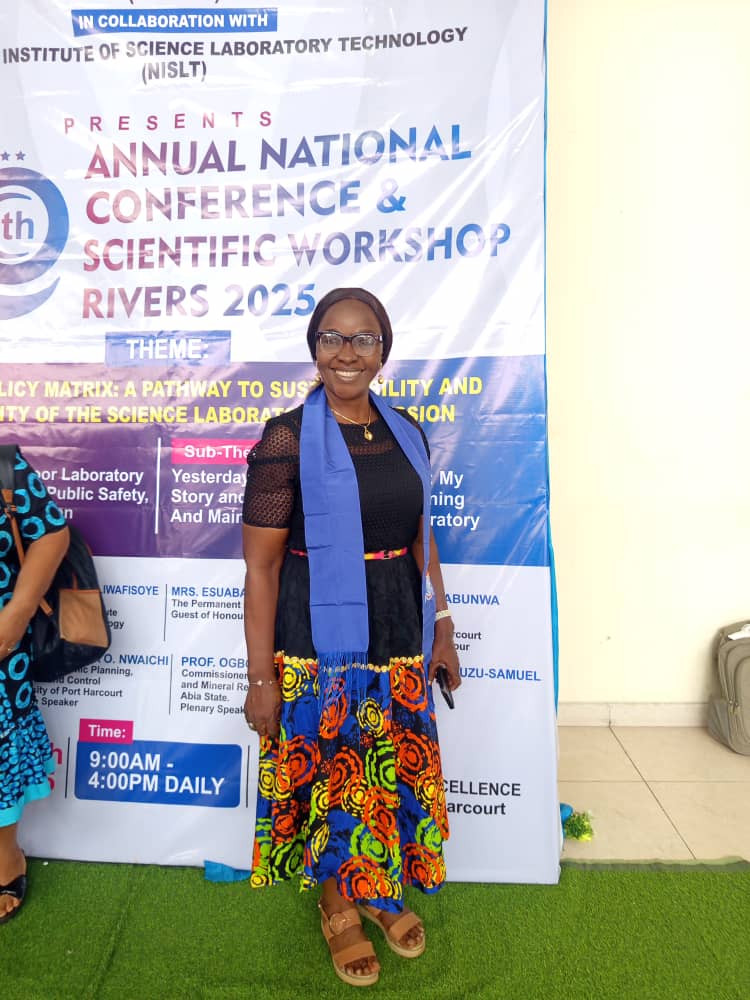
Scie & Tech Connect Blog: You have contributed to the profession not only through teaching and research but also through scientific publications, books, conferences, professional activities, laboratory quality initiatives, and mentorship. Your published works include books on virology, pathogenic microbiology, laboratory safety, general laboratory techniques, separation techniques, and introductory microbiology. Looking back on your journey, what legacy would you like to leave in Science Laboratory Technology and Medical Microbiology, and what advice would you give to young Nigerians who aspire to become scientists, researchers, laboratory professionals, and innovators?
Dr (Mrs )Mbanisi:
My concern is ultimately about the future of Science Laboratory Technology in Nigeria. I want us to produce a generation that will move beyond merely performing laboratory procedures to become critical thinkers, research-oriented professionals, problem solvers and responsible professionals who can contribute to national development. Nigeria is blessed with many natural resources, and our scientific capacity should help us transform these resources into solutions.
If laboratories remain inadequately funded, equipment continues to become obsolete, students remain overcrowded and practical exposure is limited, we risk producing graduates who possess certificates but lack the practical competence required in modern laboratories. Accreditation therefore has a critical role to play in maintaining standards. It should serve not merely as an exercise for granting or renewing approval but as a mechanism for continuous improvement.
My experiences have convinced me that the future of Nigerian science depends substantially on the quality of the laboratories in which our young scientists are trained. We need stronger collaboration among NBTE, NISLT, tertiary institutions and other relevant stakeholders so that facilities, equipment, personnel, curriculum implementation, safety standards and students’ practical exposure meet contemporary requirements. The legacy I hope to leave is a generation of Science Laboratory Technology students and Nigerian scientists with strong practical skills, curiosity, integrity and commitment to solving societal problems.

